Memory and Concentration
Description
Problems with memory loss can occur at any age, although due to increased fragility and vulnerability in age, the over 40s, and especially the over 60s show more severe symptoms of memory loss if not prevented or treated by nutritional rebalancing.
Symptoms of alertness, orientation, memory and attention may seem to malfunction or become more difficult to perform with total confidence.
There are 2 main types of memory: Short-term memory and Long-term memory.
- Short-term memory involves recalling details that have happened or been given to you only very recently. Such details may include telephone numbers, names, or perhaps a shopping list. The things you learn initially in your short-term memory have to somehow convert to long-term memory information in order for long-term memory to be made possible.
- Long-term memory recalls experiences from further in your past. Events when you were a child for example, what you did on a particular date, things you learned to do years ago…
There are also different types of long-term memory: Semantic, Episodic and Procedural.
- Semantic memory relates to facts you have memorized, e.g. names and places.
- Episodic memory relates to different experiences you have had.
- Procedural memory relates to your learning, e.g. how you drive or swim.
Memory also has 3 procedural steps: Acquisition, Consolidation and Retrieval.
- Acquisition - before information can be recalled it must first be learned and stored. Once acquired is stored in the nerve-cell pathways of the brain, otherwise known as your short-term memory.
- Consolidation - nerve pathways are strengthened and reinforced creating a more permanent memory ‘file’. This process is where your short-term memory becomes your long-term memory, your long-term storage of information.
- Retrieval – information is recalled from those reinforced nerve pathways, your long-term memory.
Memory loss, deficiency and dementia
Memory loss and concentration problems are common with increasing age, including difficulties in focusing and in maintaining attention. It becomes hard to ignore outside interference or noise and tricky to make sense of what you are reading, watching or doing.
Some problems are more serious than others. People with more serious memory lapses may be suffering from one of a series of conditions of the brain known as dementia, e.g. Alzheimer’s disease. Dementia affects your ability to carry out normal and usually easy daily activities.
A memory loss problem is serious when it affects your daily living and tasks you have performed a million times before that now seem more difficult or require more thought.
Back To Top
Statistics
- 43 - 70% of people with MS are affected with various cognitive problems.
- On average 1 out of every 10 people has a serious memory loss problem
- An estimated 4.5 million Americans suffer from Alzheimer’s disease
- 11-16 million Americans will be diagnosed with Alzheimer's disease by 2050
Back To Top
Causes
Chemical imbalance in your body, nutritional deficiency through diet and system malfunction, glycation, general aging, environmental and food pollutants are the most significant causes of problems with memory and concentration.
A less than optimal diet, or a build up of digestive toxins over the years, as well as medical conditions such as those listed below can produce imbalance and deficiency not only leading to Alzheimer's disease and dementia but also:
- Depression
- Anxiety
- Stroke
- Atherosclerosis, or hardening of the arteries
- Hypertension
- Diabetes
- Toxicities
- Hypothyroidism
- Menopause
- Candida infection
- Fatigue
- Sleep problems
- Stress
Other contributors include:
- Aging
- Barbiturates and other prescription medications, including high-dose steroid abuse and general medication side effects or drug interactions
- Deficiency or low body levels of vitamins, including:
- Thiamine deficiency
- Deficiency of niacin, which is vitamin B3
- Low serum folate
- Chronic exposure to metals, such as lead or mercury, and to dyes, such as aniline
- Alcohol abuse
- Heat
- External distractions
Medications can also contribute:
Side effects of various medications, including those from the following drugs and toxins, are some other causes of memory and concentration loss:
- Psychotropic drugs
- Tranquilizers
- Hypnotics
- Benzodiazepines
- Alcohol
- Sedatives
- Anxiolytics
Back To Top
Signs & Symptoms
Basic signs that are more than the occasional normal lapse in concentration is occurring can include any of the following:
- If you have difficulty performing normal everyday tasks
- If you misplace things frequently
- If you find it difficult to hold or follow a conversation without your mind wandering
- If your behaviour changes noticeably, with irritability, tiredness or aggression
Dementia signs and symptoms
With dementia, changes in brain function occur through chemical imbalance, usually caused by nutritional deficiency or overload.
Symptoms include asking the same questions over and over, becoming disorientated in familiar places, being unable to follow instructions, losing time and date, forgetting people and places and neglecting personal safety, hygiene and nutrition.
Medical conditions may also cause symptoms like those seen in dementia. These can include a high fever, regular dehydration, vitamin deficiency or poor nutrition and bad reactions to medicines or problems with the thyroid gland.
Back To Top
Conventional Treatments
Conventional medicine uses prescription drugs to stem the symptoms of memory loss.
Tacrine (Cognex)
It works by slowing the progression of memory loss by increasing levels of neurotransmitter acetylcholine. Due to potential side effects regular blood tests may need to be performed to ensure correct liver function. It is also known that many people are unable to take the maximum dose due to the discomfort of side effects such as nausea, vomiting, diarrhea, tiredness, drowsiness, muscle cramps, heartburn, muscle aches, loss of appetite and loss of balance.
Donepezil (Aricept)
Works by raising the level of the chemical acetylcholine in the brain, slowing progression of some types of dementia. Side effects include gastrointestinal discomfort, nausea, vomiting, diarrhea, tiredness and drowsiness.
Rivastigmine (Exelon) and Galantamine (Reminyl)
Both work by increasing the levels of acetylcholine in the brain. Side effects include gastrointestinal discomfort, abdominal pain, anxiety, aggression, confusion, constipation, depression, diarrhea, dizziness, drowsiness, fainting, fatigue, flu-like symptoms, gas, headache, high blood pressure, increased sweating, indigestion, inflamed nasal passages, insomnia, loss of appetite, nausea, tremor, urinary infection, vomiting, weakness and weight loss.
Memantine (Akatinol)
An NMDA(N-methyl-D-aspartate) receptor agent promoting nerve cell viability. Only having had limited trials, Memantine has known side effects including restlessness, insomnia and nervous energy.
Selegiline (Eldepryl)
Selegiline raises the levels of certain neurochemicals and promotes nerve cell viability. Side effects of Selegiline include allergic reaction, headache, irritability, sweating, constipation and/or diarrhea, dizziness, dry mouth, nausea, insomnia and anxiety.
Back To Top
Natural Treatments
Also, scientists now recognise the importance of mental ‘exercise’ for memory improvement. The old adage ‘if you don’t use it you will lose it’ applies equally to the brain.
It is also well recognised that your brain has a greater demand for specialised nutrients than any other organ in the body. These nutrients have to also be able to cross the blood-brain barrier.
There is no 'magic bullet' when it comes to restoring brain health and improving memory. Sometimes, a person's memory is so far gone that no protocol will correct it...natural or pharmaceutical. In these cases the best that can be hoped for is to maintain the status quo.
Therefore you should be doing everything possible to maintain and enhance the health of your brain before serious symptoms begin to show.
There are a number of very potent and effective natural nutrients that have been clinically proven to help the overall functionality of the brain and the neuro-transmitters, resulting in memory improvement. For example,
- SAMe
- Vinpocetine
- Phosphatidyl Serine
- Huperzine A
- Bacopa Extract
These nutrients, particularly when combined with others, help reduce the ongoing damage to your neuro-transmitters and your brain cells in general and may result in memory improvement.
Back To Top
Xtend-Life Solutions
This option is suitable if you want to improve your memory or to help improve the clarity of your thinking. Although it is desirable to take the full dose, a half to two third dose will still help. Neuro-Natural Memory is best combined with our Omega 3 DHA/Fish oil and Kiwi-Klenz (formerly Digesten-K).
Neuro-Natural General - Advanced dietary supplement formulated for people who want to support their general nervous system, brain and neurological health.
The Xtend-Life Neuro-Natural General is an advanced dietary supplement formulated for people who want to support their general nervous system, brain and neurological health, but have no specific neurological or nervous system needs. It contains a broad spectrum of specialty nutrients which have been established as effective "food" for your brain and nervous system to promote a strong sense of well-being as well as good memory and sharp and clear thinking.
Recommended Daily Serving: 6 tablets
|
Kiwi-Klenz - An easy-to-take, all-natural way to maintain balance in your entire digestive system.
The Xtend-Life Kiwi-Klenz supplement provides you with an easy-to-take, all-natural way to maintain balance in your entire digestive system. It breaks down harmful protein build up in your digestive tract that can potentially cause diseases. Better than probiotics, the PREbiotics in Kiwi-Klenz inhibit growth of pathogens and promote the growth of good bacteria. Unlike other supplements that use only pulp, Kiwi-Klenz has potent kiwi-fruit extracts from the fruit and skin.
Recommended Daily Serving: 2 caps
|
Omega 3 / DHA Fish Oil - Exclusive blend of omega 3 fish oils with high levels of DHA and EPA for extra strength against inflammation - a root cause of many serious conditions.
The Xtend-Life Omega 3 / DHA Fish Oil is an exclusive blend of omega 3 fish oils with high levels of DHA and EPA for extra strength against inflammation - a root cause of many serious conditions. It supports cardiovascular, brain, joint, eye, hair and skin health as well as healthy cholesterol levels and immune system. Contaminant and mercury free with Vitamin E and special rosemary extract to naturally preserve freshness. Unlike most other fish oils, it has a high DHA to EPA ratio, which helps the body to meet its DHA and EPA needs in a better balanced way
Recommended Daily Serving: 2 soft gels
|
|
|

Loading..... Please wait.....
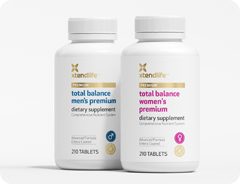
If you really want to do your brain a favor and gain the protection of reducing glycation as well as all the other benefits add Total Balance to your daily regime as well.

Loading..... Please wait.....
Back To Top