









Diabetes
Diabetes is a chronic health condition in which the body is either unable to produce insulin, produces too little insulin, or becomes resistant to insulin, resulting in the improper breakdown of sugar (glucose). As a result blood sugar levels rise to a dangerous level.
It is a serious condition that needs controlling and maintaining to avoid complications
Description
When a person eats sugars and starches, the body changes them rapidly into a sugar called glucose.
Glucose is the main source of body energy. Your liver produces some glucose and you get the rest through the above digestion process. It is absorbed from the intestine and is metabolized and used immediately where it is needed by all cells in the body via glucose transportation, and the rest is stored in the muscles and liver as glycogen for future requirement.
In diabetes, the mechanism that controls the amount of glucose in the blood breaks down. The blood glucose level rises to dangerously high levels as a result, causing symptoms and damage to the body.
Glucose is transported by a signal produced by insulin. After transportation insulin triggers its correct dispersion.
Insulin is a hormone (part of the endocrine system) produced by beta cells (islets of Langerhans) in the pancreas. It manages how much glucose the liver produces and helps glucose to be taken up by the cells where it is used as energy. Insulin acts as a key to unlock the cells so that blood sugar can be stored in them. High blood sugar levels can be related to not enough keys (insulin), or an inefficient lock (cell entry point), or both.

(National Library of Medicine (NLM))
Diabetes is actually a group of diseases characterized by high levels of blood glucose resulting from defects in insulin production, insulin action, or both, resulting in either hypo- (abnormally low blood sugar) or hyperglycaemia (an elevated concentration of glucose in the blood).
The primary types of diabetes include type 1 diabetes and type 2 diabetes.
Type 1 diabetes
It develops when the body’s immune system destroys pancreatic beta cells, the only cells in the body that make the hormone insulin that regulates blood glucose. It occurs most usually from childhood or teen years.

Type 2 diabetes
It consists of a resistance to insulin produced by the body. Obesity is a heavy contributor to its development, as is type 1 diabetes and high (imbalanced) cholesterol levels.
Insulin resistance occurs when the body fails to respond effectively to the insulin already produced by the pancreatic beta cells.
Type 2 diabetes usually affects adults following a trigger. This could be another illness or the effects of obesity, for example.
Other forms of diabetes
Gestational diabetes is a form of glucose intolerance diagnosed during pregnancy where a woman is not able to increase their secretion of insulin. Gestational diabetes requires treatment to normalize maternal blood glucose levels to avoid complications in the fetus. Genetics and obesity are major contributing factors.
Gestational diabetes is usually asymptomatic and not necessarily life threatening to the mother. This condition is associated with an increase in neonatal morbidity, neonatal hypoglycaemia and jaundice.
It is characterized by excessive hunger, thirst, and the need to urinate, it is a mild condition and often goes unnoticed, but it is important to treat because elevated blood sugar levels can damage the fetus.
It has been found to respond well, and even to resolve, with a combination of diet, exercise and appropriate supplementation where necessary.
Secondary diabetes is named due to it forming as a result of other particular conditions, such as pancreatic disease, hormone disturbances, drug overuse and malnutrition.
Impaired glucose tolerance is a condition that shows blood glucose levels that are intermediate between normal and clearly abnormal.
Diabetes is often under diagnosed, being more likely to be recorded as one of the major complications of circulatory problems and heart disease (arthersclerosis, stroke, or high blood pressure), kidney disease, retinopathy (damage to the retina), blindness, nerve damage and even foot ulcers (heart attacks and strokes are more common in diabetics due to the increased risk of clogging of blood vessels). Diabetic skin lesions are also a possible long term effect.
Rather the opposite is actually true….
In all forms of diabetes, high levels of blood glucose increase the risk of the above, what are now known to be diabetes-related complications (rather than diseases in their own right).
Diabetic retinopathy is a damage to the retina of the eye that can eventually lead to blindness. It often has no early warning signs. In general however, a person is likely to notice blurred vision, which in some cases will get worse during the day.
As new blood vessels form at the back of the eye as a part of proliferative diabetic retinopathy (PDR) process they can bleed and further blur vision. In extreme cases a person may only be able to tell light from dark in that eye.

(National Library of Medicine (NLM))
These conditions are also multi-generating, i.e. it has been proven that high blood pressure and high levels of blood glucose can themselves increase the risk of a person with diabetes progressing to other severe, potentially fatal complications such as kidney failure...

People with diabetes have an increased mortality rate due to all these consequent complications.
Left untreated (or undiagnosed), or mismanaged diabetes can easily lead to any or all of these long-term damages and major organ failures.
Further Type 1 and type 2 complications
Other complications related to immunity depletion include ulcers, gastrointestinal disorders, genitourinary and sexual dysfunctions. Complications with both type I and II occur when blood sugar levels are not properly controlled. Ketoacidosis (not taking enough insulin, allowing glucose to build up in the blood), and hyperosmolar nonketogenic coma (severe dehydration) are examples.
Complications can be acute and chronic. People with diabetes can suffer both high and low blood sugar episodes. Acute conditions resulting from one or either form of diabetes include:
Hypoglycaemia (or dangerously low blood sugar)
and
Hyperglycaemia (or dangerously high blood sugar).
These are both life-threatening and need to be managed and maintained.
Back To Top
Statistics
Over 194 million people suffer with diabetes worldwide. This global figure is estimated to reach 333 million by 2025 if current trends continue. This includes:
- Around 18.2 million diagnosed Americans;
- Approximately 1.8 million diagnosed in the UK;
- 18.1 diagnosed in India;
- 10.3 million diagnosed in China; and
- 13 million diagnosed in other Asian and island areas
Interestingly diabetes is more prevalent amongst
black and Hispanic origins than in white people of all age groups. For
those 65 years and older prevalence is greater across the board.
- Further undiagnosed people are unaware they have the condition. In some countries this figure could be as much as 80%.
- Diabetes contributes to almost 250,000 deaths a year.
- Diabetic mismanagement causes blindness in 19% of diabetics; kidney disease in 15%; and limb amputation in 17% of diabetics.
- 70-90% of type 2 diabetes sufferers are overweight (a normal weight balance can contribute to a cure).
- Adult-onset diabetes is thought to be accountable for almost ½ of all male impotence.
- Diabetes increases the risk of developing heart disease by a staggering 300%!
Back To Top
Causes
A lowered natural resistance (immune system damage), and Disruption of natural biological and hormonal rhythms.
The common modern medical approach that matches drugs to symptoms does not completely address many of these factors. As a result, modern medicine often cannot fully remove the disorder and the condition becomes chronic.
Genetic factors are strongly implicated to put you in a high-risk category. However, diet, obesity, nutritional, environmental and other health factors - such as viral infections and autoimmune processes against pancreatic cells (where antibodies created to fight allergies and infections turn against their own body tissues) - are the main contributors and key elements for diabetes development.
Nutrition
Type 2 Diabetes is first and foremost a nutritional disease. Without correct nutritional intake, or importantly correct and adequate nutritional uptake through the digestive system, and supplementation, the immune system is unable to maintain its proper function. Viral (and other) infections invade, leaving the body weakened, triggering diabetes and associated complications.
Type 2 diabetes, for example, is usually a result of many years of abuse on the digestive system (usually leading to obesity), including high intake of junk foods, fats and preservatives.It is therefore vital here to ensure that the digestive system is in the best condition possible, free from excess toxins, putrified foodstuffs, and inflammation.
Food allergies and sensitivities also lower insulin and increase autoimmune damage.
Optimum vitamins and minerals are the foundation of good health, together with carbohydrates, protein and other essential nutrients. Individuals with diabetes are often lacking in a significant number of these (e.g. most diabetics have low levels of chromium….)
Back To Top
Diagnosis
A glucose test following an overnight ‘fast’ (and usually 2 hours after drinking a sugar solution) can measure glucose levels accurately. A level of 110 or under is normal. Levels between 110-126 mg/dL would not be full diabetes, but would indicate impaired glucose tolerance (or a borderline reading)... a resistance to glucose.
A glucose level of 126 or more would indicate diabetes.
Type 1 diabetes can be diagnosed by testing body fluids and tissues for auto-antibodies to cells, to insulin, to glutamic acid decarboxylase (GAD65) and to tyrosine phosphatases (IA-2 and IA-2B).
Your healthcare practitioner should go through all the usual medical and genetic checks to give an indication of any high risk factors, your daily routines and any symptoms you may be experiencing.
A urine test will likely be requested initially to check for sugar content, and A blood test, for increased accuracy or confirmation.
You can also do ‘home tests’ (although they may be less accurate than a doctor’s test) by purchasing chemically treated glucose testing strips or electronic measuring devices.
NB: Any diabetic treatment should be started at the soonest possible opportunity, hence the importance of early and accurate diagnosis…Studies have proven that people who have begun therapy early (within 2½ years of diabetes development in the case of Type 1) have reduced their risk of complications, e.g. retinopathy, by up to 89% (as compared to only 70% in people who had a later diagnosis and therefore began treatment later).
Back To Top
Signs & Symptoms
In recent years underlying symptoms of undiagnosed or mismanaged diabetes have become widely ignored in favour of being treated / suppressed as conditions in their own right (e.g. heart disease and high blood pressure are symptoms and warnings of conditions like diabetes).
Hyperglycaemia and Hypoglycaemia
These are the 2 main features associated with diabetes.
Hyperglycaemia is an excessively high level of glucose in the blood, a feature of untreated or inadequately managed diabetes.
Symptoms that indicate a state of hyperglycemia, and a requirement for further investigation into the current diabetic management regime, include:
- Excessive thirst and urination, as the excess sugar in your blood increases urine production.
- Blurred vision, as high blood sugar levels lead to fluid build-up in the lens.
- Weight loss, as your body burns fat for energy when it can’t process glucose.
- Increased and/or unexplained fatigue, as your cells have no glucose to burn.
- Increased hunger, as your body senses the lack of glucose.
- Tingling or numbness in hands or feet, as high blood sugar levels damage or irritate the nerves.
- Sexual problems, as high blood sugar causes impotence and changes in lubrication, and
- Skin infections and unhealed wounds, as high blood sugar causes the immune system to work poorly.
To illustrate the signs more graphically:
Hypoglycaemia on the other hand is the opposite of this…indicating
too low a level of glucose in the blood. This occurs when a diabetic
has injected too much insulin, eaten too little food, or has exercised
without extra food.
Symptoms of hypoglycaemia are split into 2 categories…Adrenergic and neurological….
Adrenergic symptoms include sweating, palpitations, nervousness and
hunger, and are actually helpful signs as they are the first
indications that your blood sugar levels have dropped below 60mg/dL,
and that you need to immediately eat or drink something to raise your
blood sugar immediately.
Neurological symptoms include headaches, lack of coordination, double
vision, numbness, confusion and speech problems, and indicate that your
blood sugar has dropped below 40mg/dL. Such neurological symptoms are
often not noticed by the patient as they are already too confused to
deal with them, therefore these are potentially dangerous signs and
needs to be treated with emergency.
To illustrate the signs more graphically…….
(graphics courtesy of gainesvilletoday)
Hypoglycaemia can occur even in people that try to manage their
medications carefully. It can be helped by better insulin management if
this is relevant, or by changes of medication if they are the cause
(e.g. oral sulfonylureas, Prandin and Starlix can all cause
hypoglycaemia).
Without treatment hypoglycaemia can lead to seizures, coma and, in
severe cases, brain damage and potential death. Some patients are
trained to give themselves glucagon injections (to raise blood glucose
levels rapidly) as well as insulin injections, in case of emergency.
Conventional Treatments
Particular attention
should be paid to the health of common areas affected by diabetes (i.e.
your nervous system, your kidneys and your eyes). Specific nutritional
and supplemental advise should include the need to strengthen these
areas and prevent any further deterioration.
It is notable that insulin and oral
medication may be reduced (or even eliminated in some cases of type 2
diabetes) when the condition is stabilized by weight reduction,
exercise, nutritional supplements and sensible food plans.
Type 1 diabetes
Part of the treatment plan for type 1 diabetes almost always requires a
daily injection of insulin. It is common to administer a combination of
a short-acting insulin, such as Lispro or Aspart, together with a
long-acting insulin, such as NPH, Lente, Glargine, Detemir, or
Ultralente insulins.
Type 2 diabetes
As well as the possibility of insulin injections (though not as for
type 1 diabetes), conventional treatment for type 2 diabetes will
depend partly on how elevated your blood sugar is. If it is minimal you
may be able to lower your blood sugar level without medication (e.g. by
losing weight and/or exercising more). If it is high, oral medication
such as Sulfonylurea or Biguanide may be advised to try to control your
blood sugar level.There
are numerous potential medications used in conventional diabetic
treatment. There are also many serious side effects to be aware of.
Classes of diabetes drugs...
The main Classes of diabetic treatment drugs include
sulfonylureas, biguarides, alpha-glucosidase inhibitors,
thiazolidinediones and meglitinides... Sulfonylureas…
e.g. glimepiride (Amaryl); glipizide (Glucotrol (XL)); glyburide (DiaBeta, Glynase, Prestab, Micronase)
...acting to force your pancreas to make more insulin (it must already
be producing some for this drug to work). Effective in Type 2 diabetes
(not Type 1, as they do not work if the pancreas is producing NO
insulin).
Studies have shown that these drugs have a tendency to lose effect with time, as pancreatic cells continue to be destroyed.
Common side effects include an upset stomach, weight gain, skin rash,
itching, increased sensitivity to sunlight, changes in taste, headache
and nausea/vomiting.
More serious side effects can include hypoglycemia, convulsions, unconsciousness and allergic reactions.
Biguarides…
e.g. metformin (Glucophage (XR))
…these drugs improve insulin's ability to move glucose into cells
especially into the muscle cells. They also prevent the liver from
releasing stored glucose. They are often prescribed for obese diabetics
(i.e. people who have become resistent to insulin).
Common side effects include many gastrointestinal problems, nausea and
vomiting, especially with alcohol, bloating, gas, diarrhea, possible
dehydration, weakness, fatigue, dizziness, respiratory effects and a
metal taste.
Biguanides are not used in people who have kidney damage or heart
failure because of the risk of precipitating a severe build up of acid
(called lactic acidosis) in these patients.
Alpha-glucosidase inhibitors…
e.g. acarbose (Precose); miglitol (Glyset)
...these block digestive enzymes digesting starches, resulting in a slower rise of blood sugar.
Side effects may include stomach problems, diarrhea, gas, bloating,
abdominal pain, weakness and headaches. More serious side effects
include yellowing of skin or eyes, dark urine, unusual abdominal pain,
hypoglycemia.
These drugs are not recommended for people with inflammatory bowel disease, liver or kidney problems.
Thiazolidinediones…
e.g. pioglitazone (Actos); rosiglitazone (Avandia)
…increasing insulin sensitivity/decreasing body resistance to insulin action.
Side effects include liver problems, nausea, vomiting, stomach pain,
lack of appetite, tiredness, yellowing of the skin or whites of the
eyes, or dark-colored urine, weight gain, muscle pain, anemia, swollen
ankles or legs, upper respiratory infections and sinusitis.
If you take birth control pills this drug may make them less effective.
News…
”Troglitazone (Rezulin), a thiazolidinedione that has
been removed from the market in the United States and some European
countries, has been shown to cause severe liver problems in a small
number of people. At present the newer thiazolidinediones
(rosiglitazone and pioglitazone) have not been shown to cause liver
damage.
However, this may still be a risk.” (US Newswire)
Symptoms of liver damage include:
>> Nausea, vomiting, and abdominal pain
>> Fatigue
>> Loss of appetite
>> Jaundice, and
>> Dark urine.
Meglitinides…
e.g. repaglinide (Prandin)
…encourages the pancreas to produce more insulin after meals, i.e. more quickly than sulfonylureas.
NB: because it works fast, you must eat straight away and consume
carbs-rich foods, or else blood sugar levels will fall too low.
Side effects include weight gain, body aches, constipation, diarrhea and hypoglycemia.
News…
Antidepressants May ‘Up’ Diabetes Risks
“If you are already at high risk of getting type 2 diabetes
antidepressant drugs may boost that risk, according to newly reported
research as part of the Diabetes Prevention Programme.
The American Diabetes Association have reported that
initial investigations into particular antidepressant types (SSRIS,
e.g. Prozac and Aropax) for their ability to CUT the risk of getting
diabetes revealed that ANY kind of antidepressant actually BOOSTS risks
of developing the disease.” (HealthDayNews, 06)
Examples of oral drugs used for blood sugar control…
Actos
(Pioglitazone)
An insulin sensitzer that is usually taken once a day to increase your sensitivity to insulin.
Side effects can include headaches, muscle aches, sore throat, nasal
discharge and cold symptoms. More serious side effects can include an
allergic reaction (difficulty breathing, closing of the throat,
swelling of the lips, tongue, or face), hives, nausea, vomiting,
abdominal pain, loss of appetite, unusual fatigue, yellowing of the
skin or eyes and dark urine.
Signs of hypoglycaemia may also be experienced (i.e. headache,
drowsiness, weakness, dizziness, fast heartbeat, sweating, tremors and
nausea).
News…
Two Commonly Prescribed Diabetes Drugs May Cause Heart Failure and Fluid Build-up
“Two diabetes medications, taken by more than 6 million
Americans, may lead to serious side effects including the onset of
congestive heart failure.
Oral drugs such as Pioglitazone and Rosiglitazone can cause or
exacerbate heart failure and pulmonary edema. Both medications among a
class of drugs known as thiazolidinediones are used for the treatment
of non-insulin dependent (type 2) diabetes mellitus.
Researchers report that from discontinuing with these medications and
administering diuretics, sufferers no longer exhibited the signs and
symptoms of congestive heart failure and pulmonary edema.
The Food and Drug Administration approved Rosiglitazone and
Pioglitazone in 1999. The prescribing information indicates that the
drugs should not be used by individuals with heart conditions,
particularly in combination with insulin.” (Dallas newswire, 03;
MayoClinic research excerpt, 03)
Amaryl
A sulfonylurea (increasing pancreatic insulin production) usually taken once a day.
Side effects can include an allergic reaction, chest pain,
restlessness, irritability, muscle cramps, nausea, headache, confusion,
seizures, skin rashes, itching, redness, irritation, easy bruising or
bleeding, unusual weakness, stomach pain, low fever, loss of appetite,
dark urine, clay-coloured stools and jaundice. Signs of hypoglycaemia
may also be experienced.
Avandaryl
A combination of 2 medicines (rosglitazone and glimiperide) in one tablet.
Common side effects include backache, acute nasal, throat or sinus
infections, the flu, fluid retention and anemia. Rare side effects can
include discoloured skin, blurred vision, macular edema, chronic heart
failure, inflammation of blood vessels, fluid in the lungs, hepatitis,
skin redness, itching, hives, water retention, weight gain, allergy,
low blood counts, sun-sensitive skin and diarrhea.
Avandia
An insulin sensitizer usually taken once or twice a day. Side effects include as for Avandaryl.
Byetta
A synthetic hormone that stimulates insulin secretion in response to
blood glucose levels, usually given twice a day as an injection. Byetta
is also known to slow down the exit of food from the digestive track so
you feel full longer, helping to maintain weight.
Common side effects of Byetta include nausea and vomiting, diarrhea,
feeling jittery, upset stomach, decreased appetite/food intake and/or
body weight, and possible allergic reaction.
Glipizide
A sulfonlyurea.
Side effects include as for Byetta above, plus headache, back pain,
joint pain, weight gain, increased sensitivity to sunlight, cough or
fever. This medication can cause low blood sugar (hypoglycemia).
Glucophage
Bguanide (Metformin)
Encouraging the liver to stop producing too much glucose.
Common side effects include terrible stomach cramps and diarrhea on
high doses, nausea, loss of appetite, increased abdominal gas and a
metallic taste.
Glucovance
A fixed combination tablet.
Side effects can include nausea, stomach upset, diarrhea, or weight
gain. A serious allergic reaction to this drug is unlikely but can
occur.
Glucotrol XL
Stimulating the release of insulin from the pancreas. Side effects are as for Glucovance above.
Glyburide
A sulfonylurea, working on the pancreas to increase insulin production. Side effects are as for Glucovance above.
News…
Diabetes Medications May Raise Sunburn Risks
“According to studies performed for the Medicine Shoppe
International, Glyburide and Glipizide, common diabetes drugs, can
cause photosensitivity reactions, increasing sunburn exposure and
damage by a huge percentage.
Diabetic patients on either of these drugs are being urged to
read drug labels and consult with their pharmacist or doctor before
going out in the sun, and to increase sunscreen to SPF 30 or more, with
zinc oxide.” (Washington Post, 06)
Glyset
A glucosidase inhibitor. Side effects include diarrhea, gas, upset
stomach, or stomach pain. A serious allergic reaction to this drug is
unlikely but can occur.
Metaglip
A combination tablet. Side effects are as for Glucotrol above.
Prandin
A short-acting insulin secretagogue (an agent that induces secretion). Side effects are as for Glucotrol above.
Precose
A glucosidase inhibitor.
Common side effects can include gas, diarrhea and stomach cramps. More
rare side effects can include yellowing of skin or eyes from liver
problems, blocked bowels, hepatitis, water retention, and allergic
reaction.
Starlix
A short-acting insulin secretagogue. Side effects are as for Glucotrol above.
Insulin
Although insulin is needed for people with Type 1 diabetes, many people
with Type 2 diabetes also often need to take insulin, either because of
a worsening of their condition, or the successful action of current
medication regimes stops.
Insulin must be taken by injection as if taken orally it would be
broken down by digestive enzymes before it reaches the bloodstream. New
studies are proving the effectiveness of an inhaled form of insulin
too. The types of insulin usually used are: short-, intermediate- and
long-acting.
Short-acting (or ‘regular’) insulin (usually denoted by an ‘R’ in the
title, such as Humulin R or Novolin R, is known as a human insulin,
because it is made to be similar to that produced in the body. This is
the type of insulin that is injected around 30 minutes prior to eating,
so that it is able to act on the food after it is eaten.
There are also rapid-acting insulins, known as analogue insulins, which
have a modified structure which is designed to work faster than regular
insulin. These are injected immediately before eating to begin acting
on the food within a few minutes (it is therefore obviously very
important to eat right after injecting).
Intermediate-acting insulins contain protamine (NPH insulin, e.g.
Humulin N, Novolin N), or zinc crystals, which makes the liquid cloudy
and slows insulin absorption.
Long-acting insulins (known as ultralente, and shown as a ‘U’ in the
name, such as Humulin U), contain larger zinc crystals, further slowing
insulin in the bloodstream.
Side effects of taking insulin can include a susceptibility to
hypoglycaemia if insulin is overdosed, or if it is mistimed in
conjunction with exercise and diet. Allergic reactions can occur, and
eventual insulin resistance is even more common.
Back To Top
Natural Treatments
A diet emphasizing
complex carbohydrates, fiber, whole grains, legumes and vegetables may
help to reduce the requirement for insulin dependence by slowing and
controlling glucose release.
It is also desirable to take professional supplementation that can
further support a good diet. However, any such supplement should be
addressing more than just blood sugar levels. It is important that
ingredients also concentrate on whole organ and body protection, to
strengthen against diseases of diabetic complication and indeed to
greatly reduce risks of such complications, and on the digestive system specifically to increase its purity, strength, function, and balance.
Apart from the well known nutrients Chromium and Biotin and their
benefits to Diabetics there are many more. Some of these are listed
below with additional information.
| Alpha-lipoic acid | An
antioxidant able to neutralize free radicals before they cause
oxidative damage, repairing damaged tissue and treating peripheral
nerve damage. ALA also improves glucose metabolism (to help lower blood
sugar) in diabetics by increasing insulin sensitivity. It is thought to
be able to improve blood flow in the tiny blood vessels that supply
nerves. |
| Bilberry | Bilberry
contains anthocyanosides (responsible for the colors in the flowers and
fruits), along with at least 12 other phenolic acids. Evidence suggests
that anthocyanosides strengthen blood vessel walls, reducing
inflammation and generally stabilizing tissues containing collagen (the
main protein in the fluid matrix of the eye). This helps to prevent eye
disease. (NB: Blindness occurs in 19% of diabetic sufferers.) |
| Corosolic acid | A
main active ingredient of glucosol. It is significant in glucose
transportation from the blood into the tissue cells where it is used or
stored. It is an essential part of the metabolic process needed to
convert dietary elements into body energy, a mimic of insulin for
glucose metabolism. |
| Green tea | Research
has found that green tea results in a reduction of the risks of
developing diabetes, such as in obesity for weight loss. It has high
antioxidant properties and its detoxification ability on the pancreas.
One study concluded that people who drank 6 cups or more of green tea
per day were 1/3 less likely to get diabetes. The link was stronger in
women than in men. |
| Gymnema sylvestre | Scientific
evidence continues to conclude its effectiveness in both type 1 and
type 2 diabetes. It is one of the most practical herbs for improving
blood sugar control in diabetics. Its leaves have the ability to raise
insulin levels, possibly due to their ability to help regenerate and
revitalize the beta- (insulin-producing) cells in the pancreas. A
water-soluble acidic fraction of the leaves (gymnemic acid) also
provides hypoglycemic actions. The leaves are noted for lowering serum
cholesterol and triglycerides too, a related help to prevention of
diabetes-associated diseases.
Extracts have shown no side effects.
NB: In type 2 diabetes some patients have been able to discontinue oral drugs in favour of Gymnema sylvestre use. |
| Inositol | D-chiro-Inositol
is a rare component present in proposed mediators of insulin action.
The metabolism of D-chiro-inositol is abnormal in diabetes and appears
to be influenced by short- and long-term metabolic control, therefore
supplementation helps to successfully control glucose metabolism.
Inositol also increases circulatory ability, helping to prevent
atherosclerosis. |
| Iron | Emerging
scientific evidence has disclosed unsuspected influences between iron
metabolism and type 2 diabetes, where glucose metabolism impinges on
several iron metabolic pathways.
In recent
years, increased iron stores have been found to predict the development
of type 2 diabetes, and iron deficiency may also increase the
development of type 2 diabetes itself….i.e. where excess glucose binds
to hemoglobin (the iron-containing part of red blood cells) causing a
reduction in oxygen, iron supplementation increases hemoglobin levels
and consequently oxygen content.
The study of individual iron susceptibility propose to be valuable in
anticipating and treating diabetes complications. NOTE: It is important
that the type of iron used in a supplement is not one which will
oxidize in the body. |
| Luteolin | Used in Indian medicine mostly, luteolin is a natural flavonoid possessing strong antidiabetic activity.
Luteolin inhibits alpha-glucosidase and alpha-amylase, suggesting that
it can suppress postprandial hyperglycemia in patients with non-insulin
dependent diabetes mellitus. (Alpha-glucosidase inhibitors are
anti-hyperglycemic agents that inhibit the digestion and absorption of
complex carbohydrates, reducing the rise in post-prandial blood
glucose). Its glucosidase inhibitory potency has been stronger than
that of widely prescribed antidiabetic drugs.
Luteolin also helps in the prevention of diabetes complications…due to
its anti-oxidative, anti-inflammatory and vasoprotective properties. It
has anti-cataract and anti-obesity actions. |
| Momordica charantia | Otherwise
known as Bitter melon, it is shown to regulate glucose uptake into
jejunum membrane brush border vesicles and stimulate glucose uptake
into skeletal muscle cells similar to the response obtained with
insulin, also helpful for glycogen synthesis in the liver, improving
glucose tolerance.
It assits in keeping body
functions operating in a normal manner, suppresses the neural response
to sweet-taste stimuli and helps to regenerate beta cell function in
the pancreas.
At least three groups of constituents found in all parts of bitter
melon have clinically demonstrated hypoglycemic properties. These
chemicals include steroidal saponins, insulin-like peptides, and
alkaloids. The hypoglycemic effect is more pronounced in the fruit of
bitter melon. |
| Myricetin | A
naturally occurring flavonoid important in lowering plasma glucose.
Myricetin has excellent antioxidant properties and is capable of also
modifying LDL cholesterol in a way that improves white blood cell
update and modulates glucose absorption. It mimics insulin stimulation
and glucose transportation and its excellent hyperglycaemic actions. |
| Nigella sativa | Otherwise
known as Black cumin, it has been studied for its effect on insulin
secretion. Many studies conducted conclude that it is significant in
increasing glucose-induced insulin release from islets in the pancreas. |
| Piper longum | Known
as Long pepper this plant is used to improve the immune system. It is a
good rejuvenator. It is antibacterial and soothes the nervous system. |
| Quercetin and Rutin | Quercetin
inhibits the enzyme known as aldose reductase, which converts blood
sugar (glucose) to sorbitol. Sorbitol is implicated in the development
of many of the complications of diabetes, including diabetes-related
cataracts, retinopathy and neuropathy. (Sorbitol ingested, as opposed
to manufactured by the body has no deleterious effects.) Quercetin
therefore helps to protect the membranes of the lens of the eye from
high glucose damage.
In addition to inhibiting
aldose reductase, quercetin may also help control diabetes through
enhancing the secretion of insulin, protecting the beta-cells of the
pancreas from free radical damage, and inhibiting the aggregation of
blood platelets. |
| Selenium | Selenium
is an antioxidant mineral thought to reduce oxidative damage commonly
associated with diabetes. Selenium has essential functions in
glutathione peroxidases and thioredoxin reductases and contributes
remarkably to the maintenance of the cellular antioxidative balance. It
is significant in the expression of proteins in insulin-resistant type
2 diabetes.
Research indicates that selenium,
especially when given in combination with vitamin E, had a significant
protective effect against diabetes-associated oxidative damage in the
blood, liver (relevant to liver glucose synthesis) and muscle. In
addition, patients with diabetes have exhibited low selenium
concentrations in their lymphocytes (white blood cells) and therefore
need this essential mineral boost. |
| Silybum marianum | Commonly
known as Milk thistle, this plant could decrease the insulin
requirements of diabetic patients, especially suffering with alcoholic
liver cirrhosis. It has good antioxidant properties and is effective on
hyperinsulinemia, exogenous insulin need and malondialdehyde levels in
cirrhotic diabetics. |
| Sulfur as MSM | Sulfur-containing
B vitamin biotin is a critical part of glucokinase, the enzyme involved
in the utilization of the sugar glucose. Sulfur is also a component of
insulin, the protein hormone secreted by the pancreas that is essential
to carbohydrate metabolism. Lack of nutritional sulfur in the diet can
result in low production of biological active insulin. Studies
indicate, that MSM improves cellular glucose uptake by improving cell
permeability, thus balancing blood sugar level and returning the
pancreas to normal functioning. |
| Vaccinium myrtillus | Vaccinium
myrtillus L. (blueberry) has been used traditionally in the treatment
of diabetes as it has been shown to help drop plasma glucose levels by
about 26% (also decreasing plasma triglyceride (TG) levels). It
significantly reduces thrombus formation in diabetics, possibly because
of its effects on free fatty acid metabolism. Its active constituents
may also prove useful in the treatment of dyslipidaemia (disorders of
lipoprotein metabolism). |
| Valeriana officinalis | Hyperglycemia
in diabetes mellitus is responsible for the development of oxidative
stress, which is characterized by increased lipid peroxide production
and/or decreased antioxidative defence. Valeriana officinalis acts as a
catalyst, significantly reducing diabetic oxidative stress. |
| Zinc | Development
of diabetic complications is thought to be accelerated by the
generation of free radicals in cells and tissues. In diabetes oxidative
stress is due in part to an increased production of plasma free radical
concentrations and a sharp reduction in antioxidant defences. Among the
causes of enhanced free radical production, hyperglycemia,
hyperinsulinemia and/or insulin resistance.
Zinc
has shown over and over in studies to have major potential beneficial
antioxidant effects in supplementation for people with type 2 diabetes.
These results are particularly important to the use of Zinc in
supplementation. |
| Pterocarpus marsupium | This
plant extract has a long history of being used in diabetic treatment in
India. It is a potent flavonoid that has been shown to help regenerate
beta cells in the pancreas and help to control blood sugar levels as
part of a hypoglycaemic action, mimetically similar to that of insulin. |
| Kiwifruit | Providing one hundred percent enzyme, prebiotic, and soluble
fiber support. Very gentle on the system, providing increase digestive system ability, better digestion of proteins, and improved nutrient absorption. |
Back to Top
Xtend-Life Solutions
For assistance in normalizing blood sugar levels and minimizing the damaging effects of diabetes on your organs. Diabet-Eze contains all the specialty nutrients referred to above, plus Kiwi-Klenz (formerly Digesten-K) provides vital digestive support.
Systemic Care - An advanced dietary supplement formulated to promote overall
health and support body systems
and organs.
Systemic Care is an advanced dietary supplement formulated to promote overall health. It features a broad range of potent synergistic ingredients supporting healthy pancreas, liver and other systems and organs, and helping maintain healthy glucose metabolism.
Recommended Daily Serving: 6 tablets
|
Kiwi-Klenz - An easy-to-take, all-natural way to maintain balance in your entire digestive system.
The Xtend-Life Kiwi-Klenz supplement provides you with an easy-to-take, all-natural way to maintain balance in your entire digestive system. It breaks down harmful protein build up in your digestive tract that can potentially cause diseases. Better than probiotics, the PREbiotics in Kiwi-Klenz inhibit growth of pathogens and promote the growth of good bacteria. Unlike other supplements that use only pulp, Kiwi-Klenz has potent kiwi-fruit extracts from the fruit and skin.
Recommended Daily Serving: 2 caps
|
|
|
One Month Supply
Systemic Care
1 bottle at $74.00
Kiwi-Klenz
1 bottle at $35.50
FREE SHIPPING WITH THIS ORDER!
Total Cost: $109.50
|
|

Loading..... Please wait.....
For the benefits of Option 1 PLUS the extra benefits that Total Balance can provide to your overall health and the added protection it can give you against potential diabetic caused damage:
|
Option 2
-
|
|
Some of the products displayed below show only our unisex versions of our products. If you would like the gender specific versions please select your gender from the dropdown box to the right.
|
Systemic Care - An advanced dietary supplement formulated to promote overall
health and support body systems
and organs.
Systemic Care is an advanced dietary supplement formulated to promote overall health. It features a broad range of potent synergistic ingredients supporting healthy pancreas, liver and other systems and organs, and helping maintain healthy glucose metabolism.
Recommended Daily Serving: 6 tablets
|
Kiwi-Klenz - An easy-to-take, all-natural way to maintain balance in your entire digestive system.
The Xtend-Life Kiwi-Klenz supplement provides you with an easy-to-take, all-natural way to maintain balance in your entire digestive system. It breaks down harmful protein build up in your digestive tract that can potentially cause diseases. Better than probiotics, the PREbiotics in Kiwi-Klenz inhibit growth of pathogens and promote the growth of good bacteria. Unlike other supplements that use only pulp, Kiwi-Klenz has potent kiwi-fruit extracts from the fruit and skin.
Recommended Daily Serving: 2 caps
|
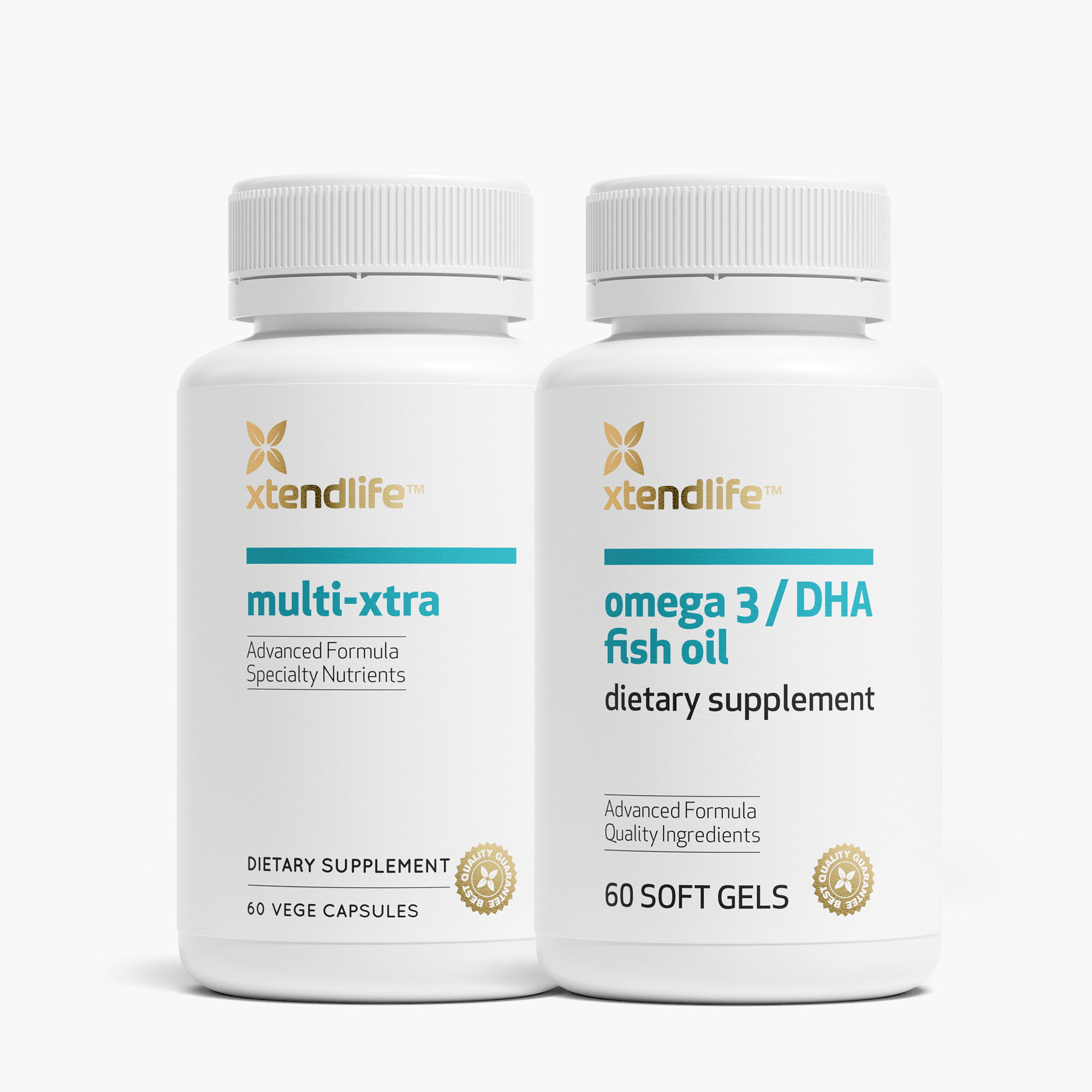
Omega 3 Premium - Exclusive blend of omega 3 fish oils with high levels of DHA and EPA for extra strength against inflammation PLUS special ingredients for skin protection and repair.
The Xtend-Life Omega 3 DHA Fish Oil PREMIUM is an exclusive blend of omega 3 fish oils with high levels of DHA and EPA for extra strength against inflammation - a root cause of many serious conditions - PLUS special ingredients for skin protection and repair. It contains natural ingredients proven to help address the main causes of skin aging and naturally improve skin's appearance from the inside out, reduce effects of photo-aging of the skin, and repair the damage done by photo-aging. It also supports heart, prostate, brain, joint, eye and hair health, as well as healthy cholesterol levels and immune system.
Recommended Daily Serving: 2 soft gels
|
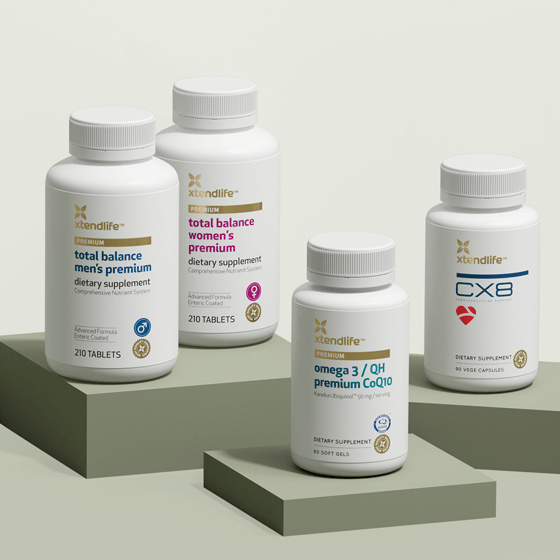
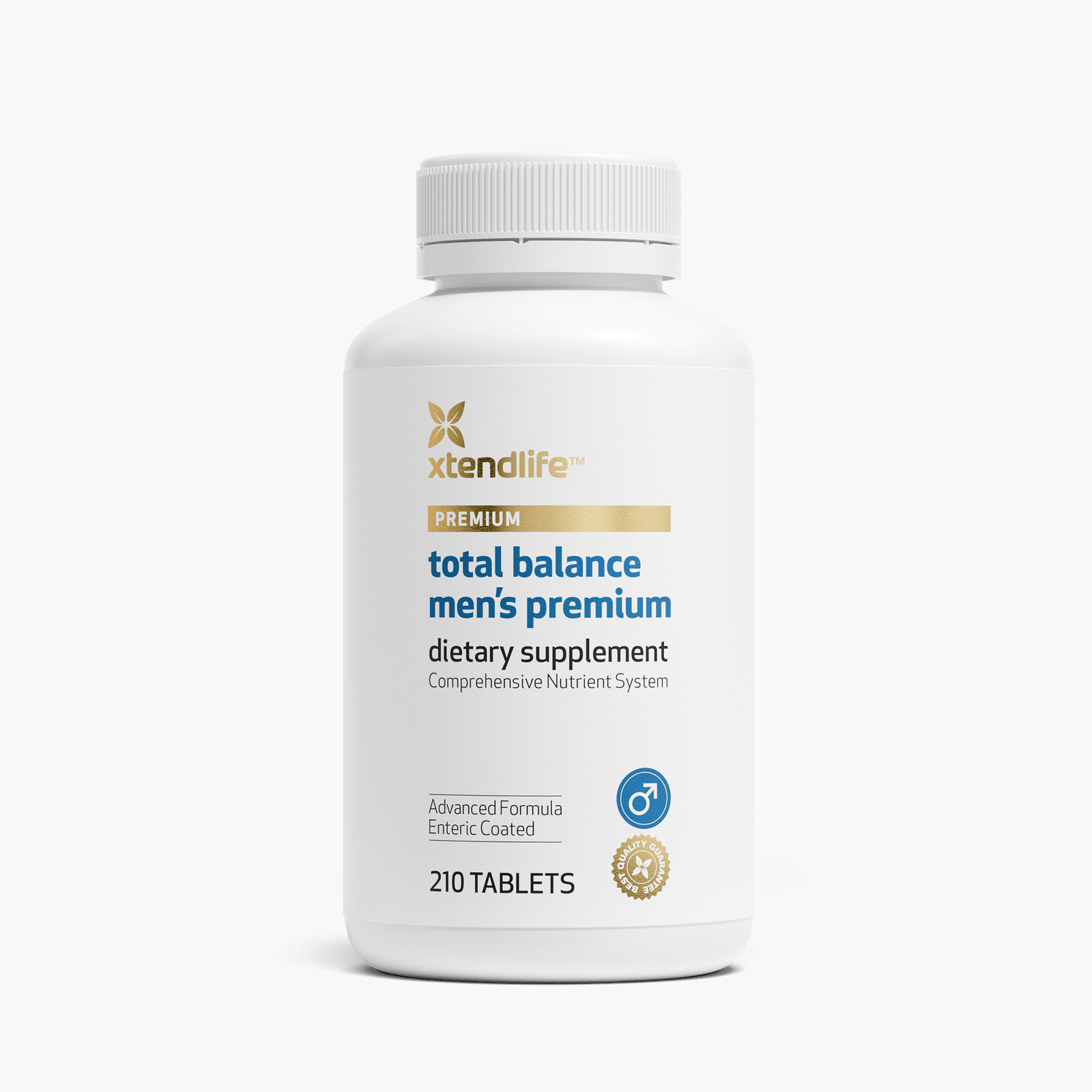
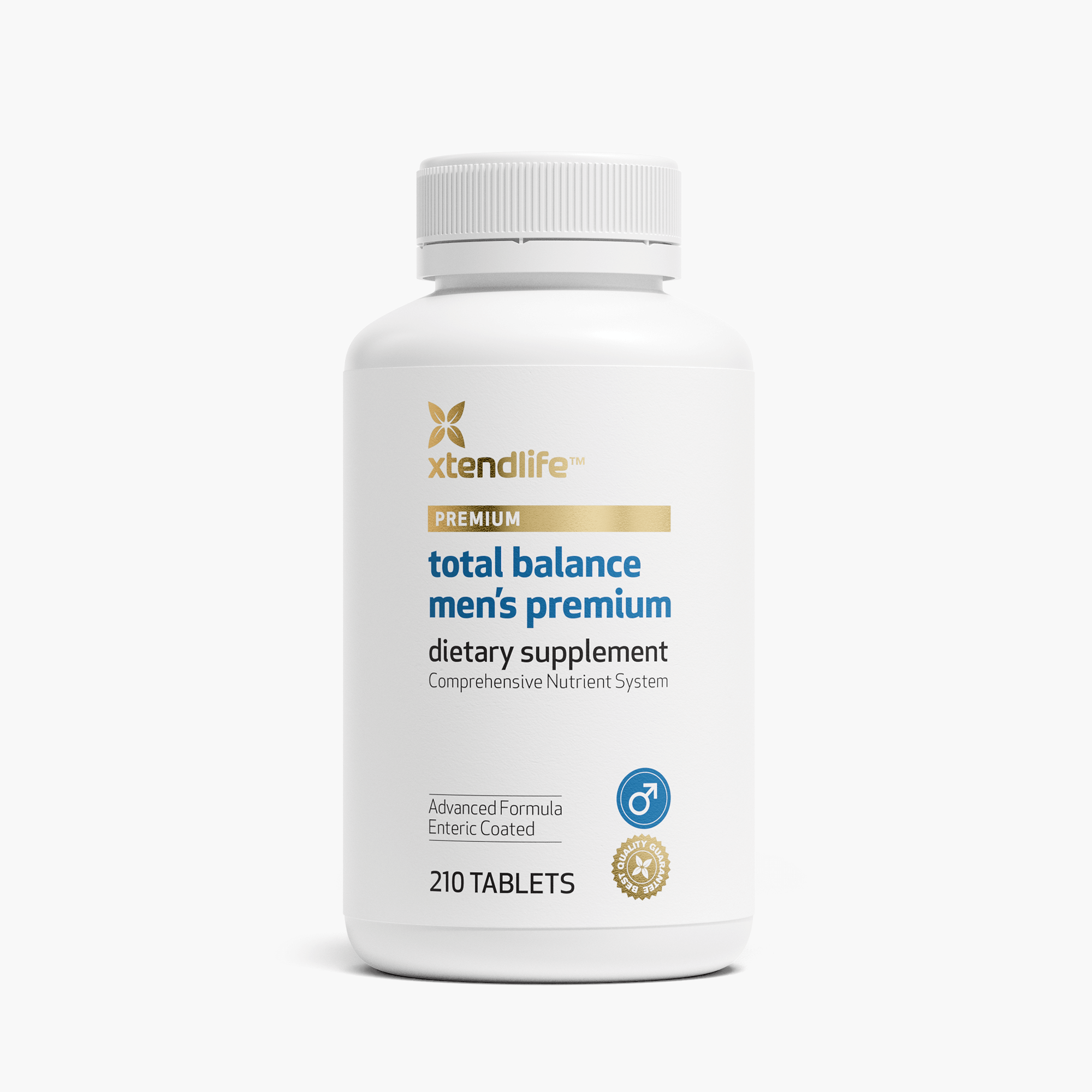
Total Balance Unisex - Advanced dietary supplement for men and women of all ages featuring an effective blend of vitamins, minerals and specialty nutrients, and formulated to support general health and address basic causes of aging.
Xtend-Life Total Balance Unisex is an advanced dietary supplement featuring an effective blend of vitamins, minerals and specialty nutrients. It is formulated to support general health, address basic causes of aging, and help improve your ability to handle stress better. It is suitable for men and women of all ages because it contains no hormone balancing herbal extracts - and it contains many specialty ingredients that may not only help keep you in good health, but also looking younger for longer.
Recommended Daily Serving: 4 tablets
|
|
|

Loading..... Please wait.....
Note: It is important when you are using Systemic Care that you monitor your blood sugar levels as you may be able to reduce your daily dose rate of this product. It you take insulin it is possible that your amount may be able to be adjusted downwards…but, only after consultation with your Doctor.
Back To Top